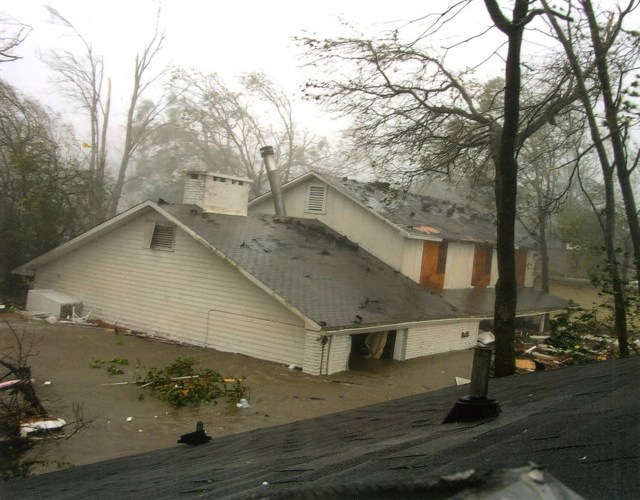
Hurricane Katrina

Climate Adaptation Audits: 10 steps to evaluate risks and adapt to climate calamities

Climate Action Plan, Urban Planning

How can communities plan to become more adaptable and resilient in the face of climate calamities, such as wildfires, hurricanes, drought, heat waves, and floods? One idea is to start with an audit. Using Jeff Speck’s successful 10-part “walkability plan” as a template, I wrote a list of steps that a community could use for a “climate adaptation audit.”

The 10 steps below are grounded in the principles of New Urbanism, which are based on the design of cities and towns that have survived for centuries. Compact, walkable places are more resilient, but they also need to respond to modern conditions and the science of climate change. 

The ten audit points aim to give towns and neighborhoods a chance to make living on earth attractive to a broader range of people. These are all applicable to any location, and a community that checks all of these boxes should be “climate calamity ready.” Using this audit, residents can see what they need to prepare for and how to align resources.

  1. Inform the public of climate adaptation activities, encourage citizens to become involved in the planning process, and engage in broader professional discussions and information at local, national, and international levels. 
  2. Understand your local context’s climate risks to be used as baseline data for a Climate Adaptation plan (use the Place Initiative tools Community Assessment Guide). 
  3. Determine local consensus on a long-term vision, choosing to either permanently retreat, temporarily evacuate, and/or harden against climate calamities. Facilitate cooperation among citizens, public interest groups, non-governmental organizations, and governmental agencies to shepherd plans and policies toward envisioned outcomes (to retreat, evacuate, or harden from/against weather/fire/water/earth). 
  4. Apply New Urbanism’s best practices to determine if new/future development is best directed in the form of infill, town extension, and/or a new town to shape continual development at a human-scale in response to the region’s changing social and economic needs. (Diagramming new urbanist principles, outcomes, and results is needed to improve calamity resiliency).
  5. Enable place-based policies, standards, guidelines, and plans that employ the highest standards of New Urbanism best practices (mixed-use, walkable, transit-supported) urban design and planning to define and advance the local municipality’s interest in long-term social and economic viability. 
  6. Set a by-right approval process in place for projects and applications for approval that are consistent with civic policies and interests (a non-discretionary approval process reduces the power of bad actors to reject projects that address climate resiliency).
  7. Set a straightforward discretionary review process for proposals and applications that are subject to council or supervisor approval to determine whether they are consistent with the civic policies and interests. 
  8. If retreat or evacuation from identified climate calamities is required, determine the type of calamity, its context, emergency routes, destinations (and alternatives), and who is responsible (fire marshal, city manager/mayor). For example, if there is a wildfire in a mountain context, with clear (lighted/reflective) signage for routes to safety (state highways, local roadways), and design the route for this climax condition, such as fire truck access and directional lane adjustments. 
  9. If hardening from climate calamities, identify the type of calamity, its context, types of response (and alternatives), and who is responsible (building and development services manager). For example, if there is a wildfire in a mountainous area, build with fire-safe codes, with overlapping zones of defense around clustered compounds, allowing for firefighting from the roadway. Make space for wildland firefighting (no new sprawl) and structure firefighting in clustered compounds. Do the same for flooding, sea level rise, and extreme weather conditions (See Martin Dreiling’s 2010 Fire Mitigation in the Wildland Urban Interface SmartCode module). 
  10. Choose a capital Improvement Plan that prioritizes the path of least resistance to determine where spending the least money would make the most difference and build from there. For example, fund, maintain, and operate tactical “communication command control centers” to be deployed immediately for disaster recovery.

While communities have been planning for climate resilience for some time, the idea of a step-by-step audit grounded in sound urban principles makes a great deal of sense. Please let me know your thoughts. 

Note: A recent CNU webinar on “Climate-ready communities” discussed state and provincial policies and tools. The author, an attendee, suggested the “climate adaptation audit” tool, and it generated interest.

Whatever...

One Size Fits One… (and it’s the worst one)

Transit, Urban Design, Urban Planning, walkability

The ubiquitous space, shape, but highly volatile speed of the car is much larger and faster than the universal space, shape, and speed of a human. Yet we continue, since post WW2, design and build everything and everywhere for space, shape, and volatile speed of the car. Streets widen, ground floors are parking lots, people are pushed towards the edges, and cars dominate our landscape. This is what ruins downtowns and isolates small towns. Cars are a suburban mobility tool.

That’s not say we need to ban cars. They do somethings great, such as get lumber, while not as good at others, such as exercising. The fact is that cars are best served for disparate suburban expanses. Walking, transit/buses, and bicycles work best in more urban areas. Cars work great in shorter-commutes and throughout suburbia. Trains, airplanes, and ships work best for long commutes.

The New Urbanism was new because it worked to humanize the car in cities, small towns, and new towns. We’re now moving into the Next Urbanism (and I write about this throughout this blog and speak about on podcasts, such as Kevin Klinkenberg’s Messy City). And as humans, we should be designing and building everything everywhere to accommodate for humans first, letting the right mobility serve us throughout the spectrum of urban to rural contexts.

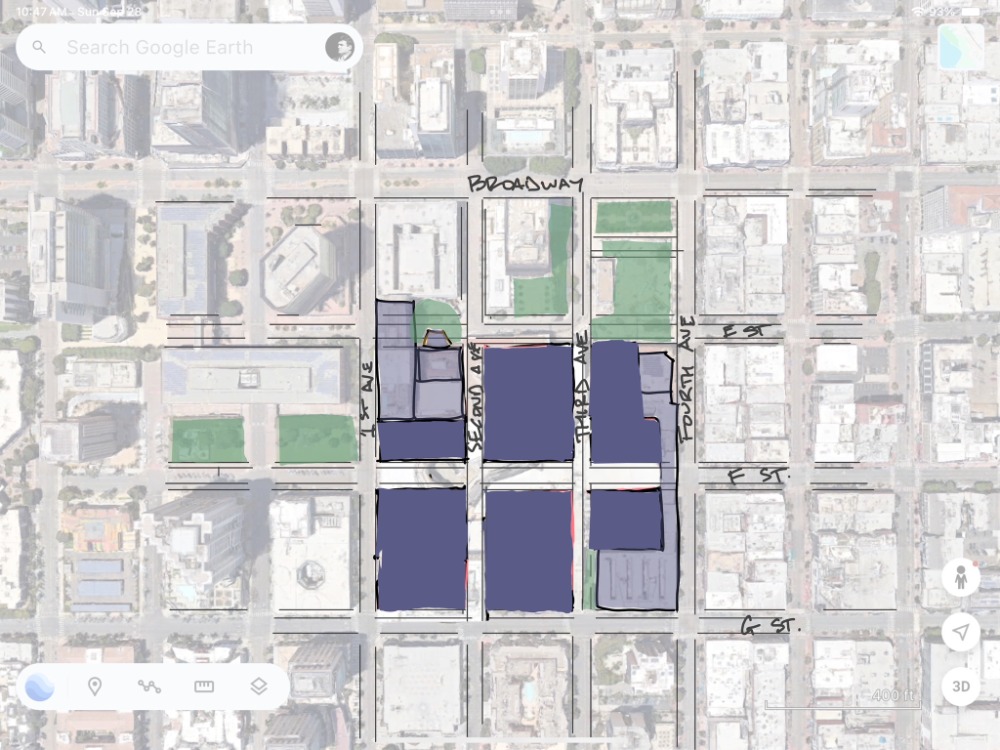
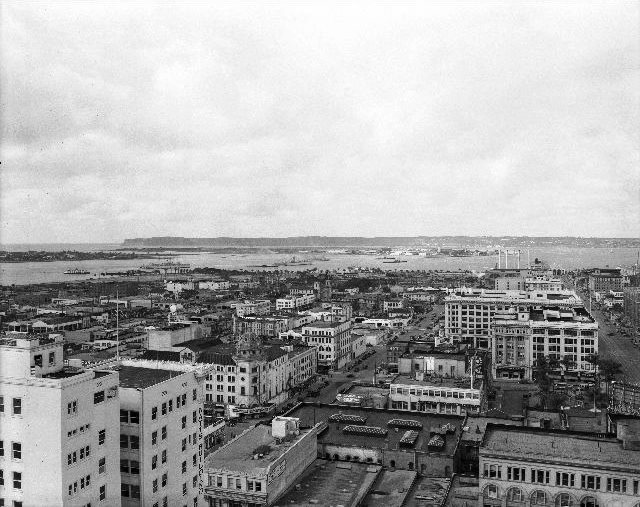
Downtowns (regional centers) are marginalized by our 1.5 cars per person maxim (Spend 5-minutes walking around Downtown San Diego). Small towns are isolated by freeway by-passes, which need both regionally accessible cars and local people to be economically viable (think Ramona, Julian, and Jacumba, if in San Diego). The industrial era invention of cars and suburban sprawl go hand-in-hand, the built each other. Unfortunately, both cars and suburbs are inhumane and detrimental to our economy, environment, and cultural cohesion (See Sabre Springs).

The next urbanism means making downtowns less car-oriented, small-towns car-supported, and car-happy suburbia having sub-regional centers that are more urban/humane. This place, a small district in Tempe, AZ, Cul-de-Sac, is an example of the Next Urbanism… building more urban, sub-regional centers in the vast sprawl of suburbs surrounding downtown’s regional center. And, by the way, Opticos Design, Inc. is one our best architecture and coding companies.

The Mid-21st Century Economic Development Model

Economics, Innovation Districts, Urban Design, Urban Planning

My treasured colleague and mentor, Bill Fulton, is creating our brave new post-pandemic world’s econ dev model that is a dramatic shift in how we are socializing into the mid-21st century. You can find his writings about his approach on his Substack page. He’s clearly identified and defined the patterns within the urban core/center and general urban areas and I’ve merely added the rural component to complete the ‘transect’ of econ dev place types.

Our state-by-state policy shift towards mixed-use, walkable urbanism is finally complete. Every city across the nation has general or comprehensive plan policy that allows for urban infill development. But this process has taken 30 years and the promised transit to support this new urbanism hasn’t been funded, and now we are in a new socializing era. We didn’t plan for the unintended consequences of a global pandemic… that low-density, auto-oriented, suburban homes would become mixed-use, live-work buildings.

We didn’t plan for urban downtowns to have less work and less shopping after building more housing. We didn’t plan for the cultural backlash of electing a black President and burn down our federal government and defunded our education and the transit infrastructure rather than our police and military state. Oh well… “you get the government we deserve,” said, Andres Duany once.

So here we are again in need of reforming our new urbanist, after-suburban sprawl, 20th century urbanist policies and regulations to be to meet today’s social demands. This zoning reform transitions from noxious industries co-location needs to regulating obnoxious neighbors sharing amenitized downtowns and sub-regional urban centers.

The following are a regional and citywide policy and econ dev framework for lot and block scaled zoning/regulatory reform:

Regional and Sub-Regional Urban Hotel (Transect Zones T6, T5, and T4-Neighborhood Centers)
Offers amenitized live, work, and play facilities for hyper-locals (new infill housing), locals (suburban commuters), and visitors (hotel business/pleasure). Dollars are flowing in from these types of citizen consumers.

Private Buildings and Spaces Functions
– Retail – Dining and Entertainment, and Shopping
– Daily Needs Services – Gym, spa, sundries, bodega, rentals
– Office Facilities
– Hotels (Long-Stay)
Conferencing Facilities
– Hotels (Short-Stay)
Pools, spas, gyms
– Homes – mix of uses (working and living)
– Paseos – Access between spaces and buildings
– Belvederes – Roof decks and garden terraces
– Parking Areas – Access to spaces and buildings

Public Buildings and Spaces Functions
– Conference Center
– Plazas/Squares – Destination civic space, active and contemplative
– Civic Services – Library, Post Office, City Hall, Pool

NGO Buildings and Spaces Functions
– Chamber of Commerce / Meeting Rooms and Facilities

Suburban Workshop (T4 General, and T3)
Offers live, work, and large-scale play facilities without amenities in existing suburban communities. These are static places with low-growth, and little change the appearance of the pods of housing or commercial or industrial. Auto-oriented but adding work from home and people wanting to walk around for exercise, post-pandemic.

Private Buildings and Spaces Functions
– Single-family Detached Homes
– Accessory Dwelling Units
– Yards

Public Buildings and Spaces Functions
– Ballfields

Regional Rural Substructure (T2)
A zoning conflict we’re addressing today are the regional infrastructure and utility issues bumping against either the suburbs or smaller, historic towns. Agriculture being the original regional utility/commerce.

Private Buildings and Spaces Functions
– Energy – Solar, wind, electrical (Efficiency Issues)
– Substations, powerlines (Wildfire Issues)
– Data Center Districts (The Next Big Deal to Deal with)
– Agriculture lands, Farmsteads, and Farm Worker Housing (Resort Districts)

Public Buildings and Spaces Functions
– Freeways, Highways, Corridors
– Federal and State Parks

Preserved and Pristine Nature is T1

Social Isolation and Sitting to Work are Connected

Uncategorized, Urban Design, Urban Planning

I subscribe to Arnold Schwarzenegger’s fitness newsletter that provides daily content on health and fitness. There was a deep connection that resonated with me in this morning’s newsletter articles. The first was on this study regarding the early mortality rate of those who are lonely and isolated socially in comparison to those who are socially and physically connected to others in their neighborhood, as well as with family and friends. The second story was about the health value of getting up and walking around every hour so rather than sitting for more than 2 hours straight.

In our suburban nation we sit in our cars to go anywhere. We then sit at our desks to do the majority of our work. And we sit at home and watch tv or doom scroll through the bitter end of social media as we once knew it. We sit and drive to sit a lot. And it isolates us from engaging with people on street corners, in public and private places, and at work (we don’t go to church, or social clubs, or the library, or post office anymore). We have transitioned daily need trips, such as picking up milk, eggs (too expensive!), newspaper (what is that?!), and dry cleaning (we don’t wear hard pants anymore) to online shopping that is delivered.

We’ve isolated ourselves in our homes and it has obviously become bad for our physical and mental health. It’s easy to see that we’re not healthier, happer, or wealthier in our new post-industrial, online lifestyle…

So what can we do about it? I recommend following this manifesto: https://www.cnu.org/who-we-are/charter-new-urbanism

We’ve Lost that Loving Feeling.

Urban Design, Urban Planning

From Rick Cole’s article in Southern Urbanism: “In this sense, the enemy is… placeless sprawl. These are locations that have no distinct character, no history, and no beauty, that typically fulfill just a single function. We park there, we work there, we reside there, we shop there, we drive through there. But beyond those necessary functions, the bleak landscapes of sprawl lack a shared and diverse public realm. Without such a public realm, community dissolves into private space. Shared space gives room for different people engaged in varied activities. That is the physical manifestation of community—and the physical setting for community, too. Community can happen in a park, in and around a neighborhood store, on a crowded sidewalk, or in any other public gathering space. The ties of community can be tight—among neighbors at a farmers’ market, for example. They can also be loose—such as among strangers at a transit stop. Whatever those ties look like, a robust public realm is vital to generating a shared sense of community.

It is precisely this shared sense of community that is breaking down all across North America. Sprawling suburbs and walled-off, self-contained urban “projects” deprive us of a place for community to grow. Evolving technologies accelerate our detachment from real life, happening in real places. Human beings crave belonging, so in the absence of a shared community, we gravitate toward self-selected faux-communities that more resemble tribes. Unlike citizens of a true community, these factions have no commitment to their neighbors or loyalty to the places they happen to occupy. When we are rigidly separated by income, race, and lifestyles, the fragile shared bonds of a democratic society inevitably fray into “us” versus “them.”

And from Jeff Wood’s Overhead Wire: “Of course most stores can’t compete with Amazon or Walmart he said, but what they can do is create a better shopping experience and pleasant environment people want to visit. This redevelopment can’t be just another (strip center, suburban mall, or) office park, it should be a destination in its own right if it is to succeed.”

Places we love and want to spend time are valuable for many reasons… economically, socially, and environmentally, because we care for and maintain those spaces, and fill them with people and trees rather than laying down asphalt and putting up a butler building on that next offramp further outside of town. Therefore, better places are more sustainable than crappy suburban ones.

Designing Urban Places, My Process

Urban Design, Urban Planning

I begin a project by reading and listening to citizens, existing policy-documents, and experts in an area. Learning the issues and background information, or due diligence (now called data gathering), is the first step in generating ideas. My design biases are found in my appreciation for John Cleese’s creativity approach by being open minded with play to envision scenarios and closed minded to then focus on the design product afterwards. As well as my personal design process fitting within the spectrum of life… between life to death, night to day, light to dark, man to woman, formal to informal, yen to yang, etc… as an inherent basis for my design approach. And this third tool is to figure out where the place sits is more urban or more rural spectrum today and where it’s going in the next 5-10 years and then beyond.

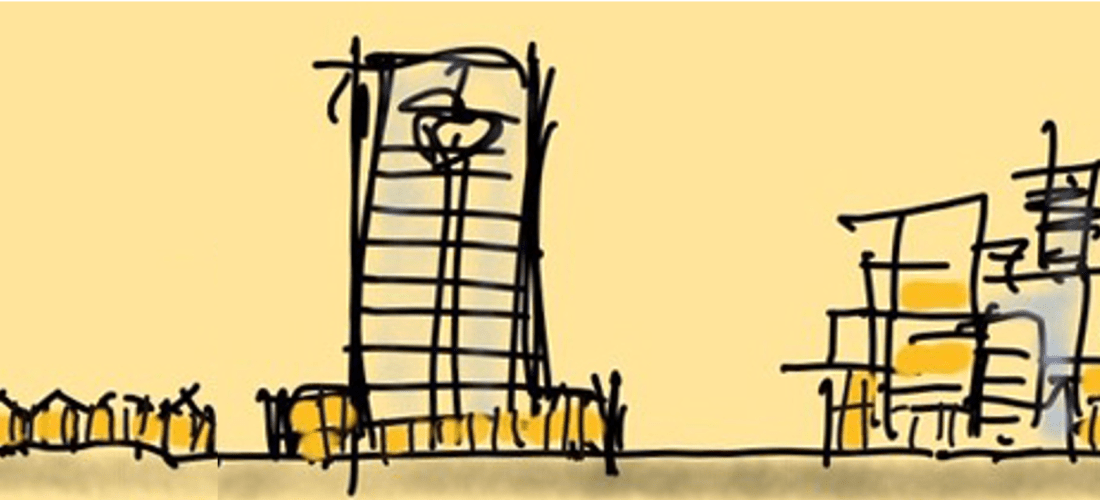
Fourth, I begin designing (usually on an iPad/Morpholio Trace program) applying a variety of street, parks, and building types, from most intense to least intense, that explicitly guides new building towards a distinctive “character and sense” of place. See Leon Krier’s idea of how to coding for a specific community character here (note: there are only 16 character types). So using background info, my biases, and multiple street/park/building types tools… I then take an outside-of-the-box approach, looking at the surrounding context to identify public and private buildings and space patterns in the project area. These patterns are interdependent and shape the surrounding neighborhood characteristics. Identifying, understanding, and drawing inspiration from these patterns upfront allows me to address common issues raised in the first step.

Then I design within the project area with an inside-of-the-box approach, identifying these surrounding patterns within the design to coordinate the precise location of uses, buildings, spaces, services, and utilities with a focus on long-term social, environmental, and economic outcomes. Using these various patterns to identify a variety of buildings and spaces guides me to making design decisions that are either ‘in tune’ with its surroundings or it ‘stands out’ and accentuates a space or building. The design either blends in and fits harmonious with its surrounding patterns or its disrupts and breaks the patterns.

The combination of these approaches and techniques allow me to quickly make design decisions to create a specific character and sense of place, rather than leaving it up to chance… and the final design produces a new idea for a place that either respectfully fits within or distinguishably stands out from its local setting. With this start, I work again with local citizens, who have a unique understanding and knowledge of their communities, to gauge if their neighboring buildings, parks, and streets should stand out or fit in.

Local identity is a key in creating spaces that nurture community identity, instill pride, and positively energize communities. And I advocate for elevating the role of “good” design to a region’s public agencies, county, cities, advocacy groups, private organizations, and community groups, understanding that well-designed places are a practical and essential way to bring vitality and dignity to city living.

At the human scale, good design makes a difference in our lives by helping us feel safe and comfortable while walking and socializing in our neighborhoods, which helps us feel happier and experience a deeper sense of belonging to places and people.

And, at the city scale, good design makes a difference in enabling cities to attract and retain residents and businesses with inviting public streets, civic spaces, and interesting places more easily.

Ultimately, belonging to a place, and a home, is the idea that goes to the heart of what makes neighborhoods great. It roots our approach to urban design in respect. Respect for people and places, and a respect for tradition. It gives the fancy innovations and clever deconstructions a heart and a soul. An innovation is something new, something novel, maybe even revolutionary. But there’s another truth that’s deeply applicable to design, oftentimes the best innovations are ones in which a twist was put on something that has been done before.

What do you think?

My Taco Shop Theory…

Economics, San Diego, Urban Design, Urban Planning, walkability

I write, draw, and lament often about how great mixed-use, walkable, transit-supported urbanism is for our civilization. In my part of world, San Diego, one our most civilizing characteristics is the local taco shop(s). Taco shops are ours and we do them best, especially in comparison to LA, ‘Frisco, and Sacramento. And I have a theory… “the best taco shop is the second closest taco shop to your home.”

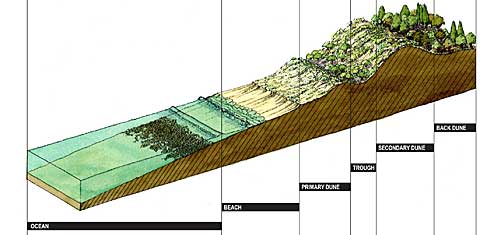
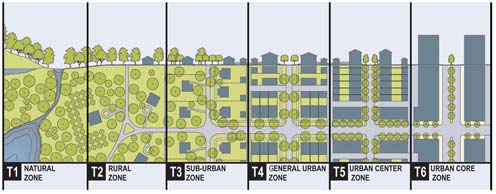
Another theory I subscribe to is the use of the ‘transect’ to design, plan, and build neighborhoods. The transect is an environmental research tool. It is a cut or path through part of the environment showing a range of different habitats. Biologists and ecologists use transects to study the many symbiotic elements that contribute to habitats where certain plants and animals thrive. The urban-to-nature transect outlines our human habitat in a similar fashion. See here: https://transect.org/index.html

natural transect
transect

And the Transect Zones (T-zone) range from the most urban, T6, to the most natural, T1. And there are 4 other place types in between. The Transect can be used at the regional scale. For example downtowns are a region’s most urban, thus T-6, and State/Federal parks, T1, are the most natural areas that need to be preserved. Agricultural reserve areas (T2), edge of town suburbia (T3), small town centers (T4), and the middle of towns/cities neighborhoods are mixed-use (T5). And the Transect is best applied at the neighborhood scale.

Each walkable neighborhood, approximately 120-acres, .25 mile distance from center to edge (approximately 1,250 linear feet), and these have at least 3 transect zones within it to provide a mix of uses, places, spaces, and people at different income/life levels. The neighborhood main street center is T5, the neighborhood general area with a few corner stores is T4, and the neighborhood edge is usually T3 that leads to natural corridor or the next neighborhood edge leading to another neighborhood and its main street center.

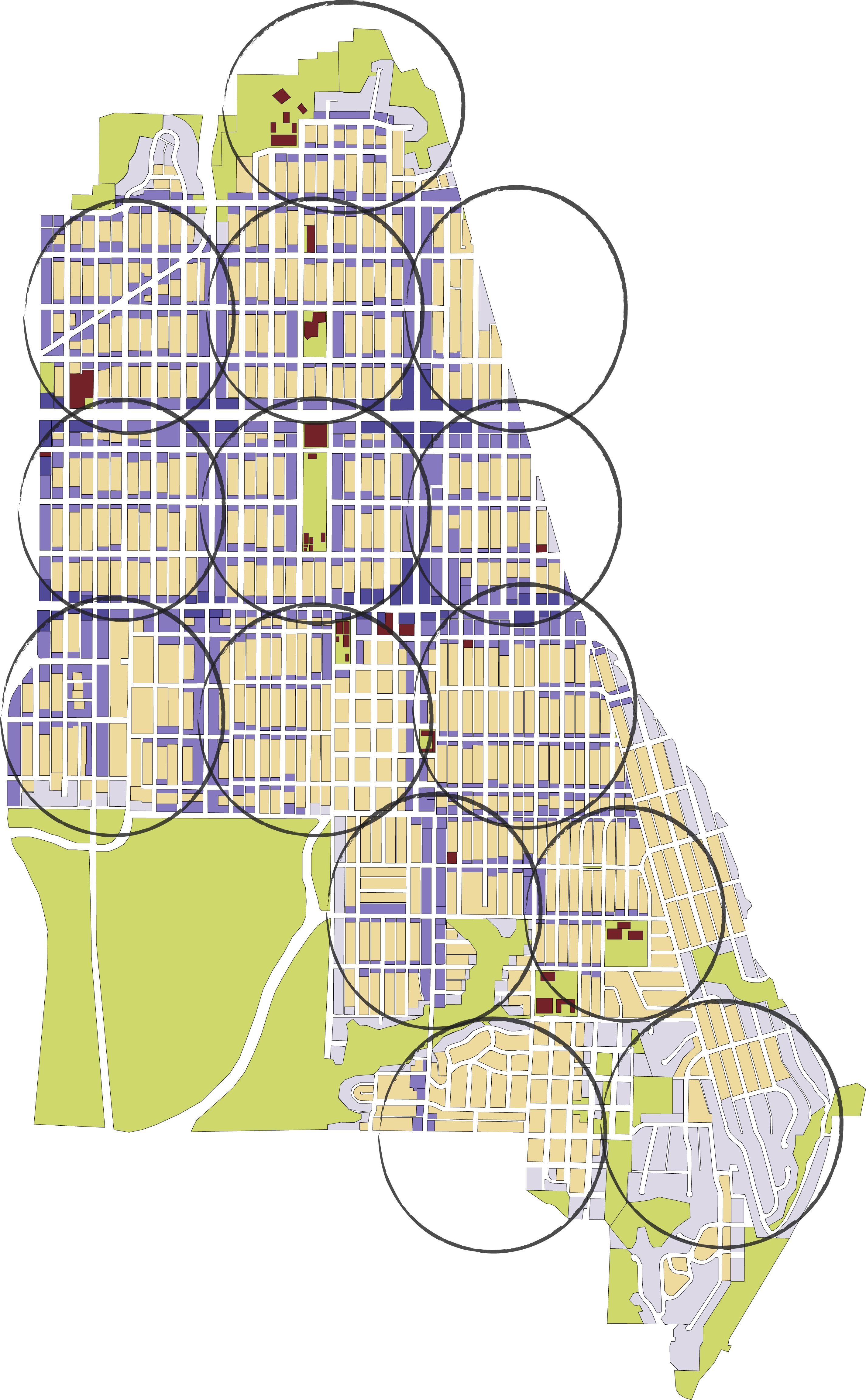
This my complete, walkable, mixed-use, transit-supported neighborhood with the 5-minute walk from the neighborhood center to edge outlined:

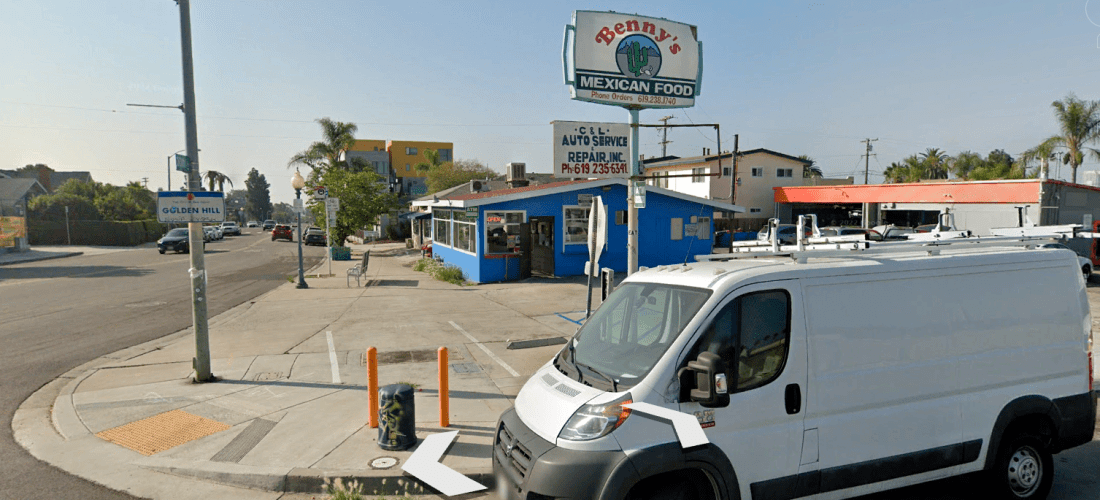
And here are where my local taco shop and trucks are located by Transect-Zone:

And here is the location of my next and favorite taco shop:

If I took the time, you’d see that my favorite taco shop is on the edge of the next neighborhood to my south. It’s center is located a neighborhood grocery store (Food Bowl, who make great tacos in their deli too). And our older streetcar neighborhoods in San Diego are expertly shaped with neighborhood centers located every 5 to 10-minute walks apart from each other and our #2 Bus stops. And, every neighborhood essentially has a great taco shop located in it. To the north, The Taco Shop is located another half-mile to the north, then another favorite taco shop, open 24-hours, Saguaro’s, is another half-mile from there.

Below is a transect map of the neighborhood’s in the North Park Community Planning Area. My neighborhood is to the furthest south (and half in Greater Golden Hill). The Taco shop is on the edge of the next north neighborhood (see the off-set Upas St intersection). And Saguaro’s is on the edge of the next neighborhood to the north, and so on. Notice they’re all located on 30th Street, the only north/south street connected South Park/Golden Hill to North Park and all of the tacos shops are located on it (and Fern St where it changes names).

One of San Diego’s best cultural elements are our taco shops. When I travel somewhere for more than a few days and return… my first meal home is usually from a taco shop because I need it. And we’re fortunate enough to have a taco shop in most of our urban neighborhoods. I’m thankful for my local, but I eat there too often and it’s staled to my tastes… and it’s too close. A 5-minute walk to/from my house to my local taco shop only burns a few calories compared to the amount of calories served up by my favorite burritos, rolled tacos, and flying saucers.

Theories…

San Diego, Urban Planning

I believe your favorite taco shop is the one that’s the 2nd closest to you. Because you eat at your local taco shop too often, so it gets dull… while being thankful its there. But that 2nd closest shop?!? Yeah, that’s the one that has the stuff that have to make an effort to get there and it’s just that much better than your local shop.

I believe this to be true.

I believe San Diego doesn’t have a parking problem, it has a walking more than 50-feet problem. In fairness, I’ve seen Marcela Escobar-Eck, a San Diego consultant, tweet this before too. But, I see people driving in circles to find that as-close-as-possible space, complain about parking, and not just drive to the edge of the parking lot or a block over and walk to where you want to be. It’s silly and selfish… but we’re from silly and selfish stock.

I know this to be true.

I believe what Mike Davis was absolutely brilliant and wrote the best pieces on social equity and inclusion/exclusion than anyone in our business. He was as kind and giving as he was brilliant. A giant, lost.

And I think this is true.

Family is the basis/core of civilization. Our sense of belonging or home or family (groups) equates to providing us a moral responsibility to take care of each other and our home(s). This does not apply as innately to global-scale industries, economies, businesses, politics, and environmentalism. That’s a reason for the disconnect between mitigating for global warming, building a traditional neighborhood, and living in a suburban cookie-cutter house.

Housing for 1 Million New New Yorkers

Social Justice, Transit, Urban Design, Urban Planning

Last week, Vishaan Chakrabarti, founder of PAU, unveiled his firm’s housing analysis via The New York Times. The PAU founder says there is space for up to 520,245 homes in the city on roughly 1,700 acres of unused land. Most of it would be enacted above existing single-story commercial spaces.”

The article I read about the proposal, here, said they used, “available data on vacant lots, flood-prone areas, and the location of subway stations and other mass transit options.”

Uhm, well, okay… As stated in my previous two posts, that after 30+ years of illustrating the benefits of mixed-use, walkable, infill, transit-supported design, planning, architecture, and building, why are we still trying to sell the obvious? The NYT article references how infill is still controversial… based on Boomer NIMBY-ism. Or the lack of political courage to do what is right over the long-term.

Today it is an incredibly hard lift to get short-term politicians to address long-term issues against perceived short-term public interests, such as homeless on the streets (regional issue), interest rate fluctuations (national issue), and gas prices (international issues).

California’s housing crisis became a political crisis due to the technological advancement of social media to organize and coordinate a series of disparate Bay Area groups into one large YIMBY movement.  ‘Yes in My Backyard,’ led by Sonja Trauss, shifted San Francisco’s political approach to its acute housing and homelessness crisis to make these issues the city’s number one issues, beyond potholes and loss of parking spaces. The political structure of San Francisco, Oakland, San Jose, Sacramento, Los Angeles, Seattle, Portland, and San Diego followed in suit.

Social justice is today’s environmental movement of the 60s/70s, and economics in the 80s-00s. The third element of sustainability, we are learning how to build a more accessible and socially equitable city, which is why bicycles, walkability, shared mobility, complete streets, and transit-orientation are the focus of city making today. This housing crisis is a linchpin of the equity issue and I believe social equity/justice is a political crisis leaders must address. State laws are providing political cover for elected officials to pass new rules necessary to build more housing.

Lessons learned from SF’s YIMBYs to create a political crisis that makes change are:

– Organize various groups into one single-purpose, general issue group (with a catchy name)

    – Use new technology (social media expanded during their rise)

      – Put a charismatic leader with excellent public-speaking skills in front of the organization.

      – Provide political cover for our risk-adverse Mayor(s) to approve controversial housing projects.

      – Find and maintain the support of philanthropist.

      – Find and support like-minded candidates running for office on this project.

      – Sponsored policies dedicated to housing.

      – Educate citizens via various media to show how plans can turn into better projects. Provide reasonable tradeoff scenarios to educate everyday citizens. 

      To make this more citizen specific, this aligns with 5 Reasons People Accept Change (borrowed from reasons why people buy retail products):

      – Solves my pain – Homelessness is San Diego’s greatest pain.

      – This connects me to community – Everybody loves San Diego.

      – This makes my life easier – Able to conveniently access and enjoy beautiful spaces and places

      – This feels luxurious – San Diego is as beautiful as any place in the world, accessible to everyone.

      – This will make me more money – Our city can attract the World who’ll spend their money here.

      The following are ways to shift our cultural expectations necessary to change status quo, which takes time:

      Forces Within your Society: Homelessness is first. And then there are local advocacy groups or local connector/influencer people to collaborate with and an opportunity for coalition and capital building.

      Forces Between Societies: Regarding housing, State Law is the agent of change.

      Changes in our Natural Environment: Increased housing creates the need for high-quality amenity spaces. And climate change with longer, hotter, drier summers and wildfires are the low hanging fruit and take change out of our hands.

      Invention/Stimulus Diffusion: The new-new is faster smartphone technology, which is changing how we get around our cities with shared mobility and on-demand. Millennial culture ideas are making changes via smartphone technology inventions.

      Agents of Change. The best singular agents of change, are people who are culturally allowed to propose, advocate for, and succeed in making change are the following:

      Students/Faculty: Schools are teaching the future and past, but not status quo.

      Attorneys: Their job is manipulating the law and regulations.

      Designers/Artists: All projects are new and therefore represent change.

      Wealthy: Philanthropists are champions.

      Advocacy Groups: But they lack any authority.

      Long-Term Politicians: We have few in San Diego.

      Not Agents of Change. The least acceptable, singular agents of change, people not in the cultural expectations position to propose such and will eventually be your foil are:

      Chamber business interest/developers: Constituency groups that are risk adverse to change.

      Government Departments/Staff: They’re trying to equitable to all citizens, as change = winners/losers, and they’re not paid to make change.

      Churches / Religions: Maintain status quo.

      Community/Preservation Groups: Maintain status quo.

      Impoverished: Don’t experiment on the poor, they don’t have the resources to sustain failure.

      Short-Term Politicians: Our city council, Mayor, and County Supervisors.

      Politicians need that city-wide vision/principles/image to assist them in navigating the dichotomy of individual/small group fears versus larger city/common interests that this singular new project brings the city. And infill that builds mixed-use, walkable, transit-supported urbanism is our best sustainability tool.

      Your City Psychologist is ‘In.’

      Leon Krier, Urban Planning

      My favorite pop philosopher and psychologist is Alain de Botton, and his School of Life. They share a wide variety of articles and videos on relationships, architectural design, and beyond. I found his work through his 2006 book, The Architecture of Happiness. And what I appreciate about his approach to cities is that it has decidedly shifted from an original modernist perspective (2008), to the above book’s meandering thesis, and then to a clearly more traditional city making approach (2015). As I age in today’s era of great anxiety, I too find my perspectives changing. Some of these changes are attributed to conversations with an insightful therapist.

      One of the silly things I use to tell my municipal clients is that I was hired to be their city’s therapist. That I was there to listen, share case studies, analyze patterns, observe behaviors, and interpreting data to make recommendations on how best to build their city. This analogy would usually get chuckle and then I would go about my work that was policies, plans, and programs.

      But, like Mr. Botton, my thoughts have shifted with time. As a long-time conventional zoning code reformer, I see today’s municipal zoning trend finally moving towards meaningful reform. My own city of San Diego appears to be in its first steps of recovery from conventional, segregated land uses (commercial uses shall not have residential uses that shall not have industrial uses, and so on). Our Complete Communities and Inclusionary Housing programs waive most of our old zoning rules in exchange for affordable housing with very few zoning rules. This is done with the intent to lower or stablize the cost of housing (the rent).

      This waiver approach is a good first step in making amends for the errors of planning’s past. A dramatic shift, from too many rules to not many rules, allows us to move towards learning a new way to build more housing. But an unfortunate by-product of too few rules is rising land values and land speculation. This creates uncertainty as what is going to be built and how new housing will behave in an existing neighborhood context. Under these programs, a new building could propose 6, 14, 24, or 48 units depending on the owner’s intentions and distance from a transit or bus line. That’s a great first step in reforming rules, but without the next step of new parameters uncertainty, anxiety, and the typical fear of the unknown rises. The next steps would be to design new places that behave as intended in context.

      For example, a neighborhood center having more things going on on than the neighborhood edge along a canyon or freeway. An extreme example is building a downtown residential tower in an existing streetscape of single-family homes. This dramatic juxtaposition creates disharmony among neighbors (the fronts of people’s buildings adjacent to the backs of others), the marketplace (the first new tower drives up neighboring land values), and breaks expected neighbor boundaries while supplying new housing as intended for our region. This brings up ethical issues of common good versus being a respectful neighbor. The ethics of good community planning is to serve the public’s interest today by balancing social equity with economics and environmental elements to maintain livable and sustainable neighborhoods. I’ve written about such here, and the economics of it here.

      In personal and social relationships, the School of Life psychologist’s recommends we, “set boundaries that involves informing those around us of a set of objectively reasonable ‘rules’ that we need them to follow in order to feel respected and happy — while doing so in a way that conveys both warmth and strength.”

      Zoning regulations (codes) provides the rules that build the new places we live, work, play, shop, worship, and learn in. Zoning codes set the boundaries for the ways we live our lives.

      Citizens live in neighborhoods with the expectation to live a dignified, respectful, and happy life. Citizens tend to convey these experiences with both warmth and strength in regard/defense to the quality of their existing lifestyles, as well as expressing fear and anxiety in regard to unknown outcomes and experiences a new project/building/place proposal will produce. That’s the next step to zoning reform… a new type of land use regulation, Objective Design Standards, that presents explicit development standards for infill development in clear diagrams that show applicants, neighbors, and city staff what is allowed without relying on a decision of a hearing body.

      Zoning codes and city planning mediates this balance between today’s experiences and what changes tomorrow will bring to a neighborhood/place. And zoning is therapy because relationships need to be respected in order to maintain civility and happiness. While some want a pound of flesh for past sins, most of us simply want stability, structure, and connections with each other and their homes. As previously written here:

      We need to be grounded in that feeling of being around friends and family… Home. Being home is the idea that goes to the heart of what makes food (neighborhoods) great. It is an approach to cooking (zoning codes) that is rooted in respect. Respect for the ingredients (people/places), respect for tradition. It gives the fancy innovations and clever deconstructions a heart and a soul.“ – Anthony Bourdain, 2008 (Spain – No Reservations)

      Life is hard. Zoning sets the boundaries we need to live a respectful and stable life. Let’s continue to reform our city’s zoning through the lens of setting boundaries that involves informing those around us of a set of objectively reasonable ‘rules’ that we need them to follow in order to feel respected and happy.